PIECE THREE · L3101 · 24 APRIL 2025
Clay on the road
Clay on the road Council works, marked complete. An open bank touching the tarmac. An open drain. Irish law on soil, a working site, and no protection left for her.
For Bronagh English. Killardry Bridge, Kilmoyler, near Cahir. Shortly after 10pm. Heavy rain. Dark. White 2021 Ford Fiesta. Sole occupant.
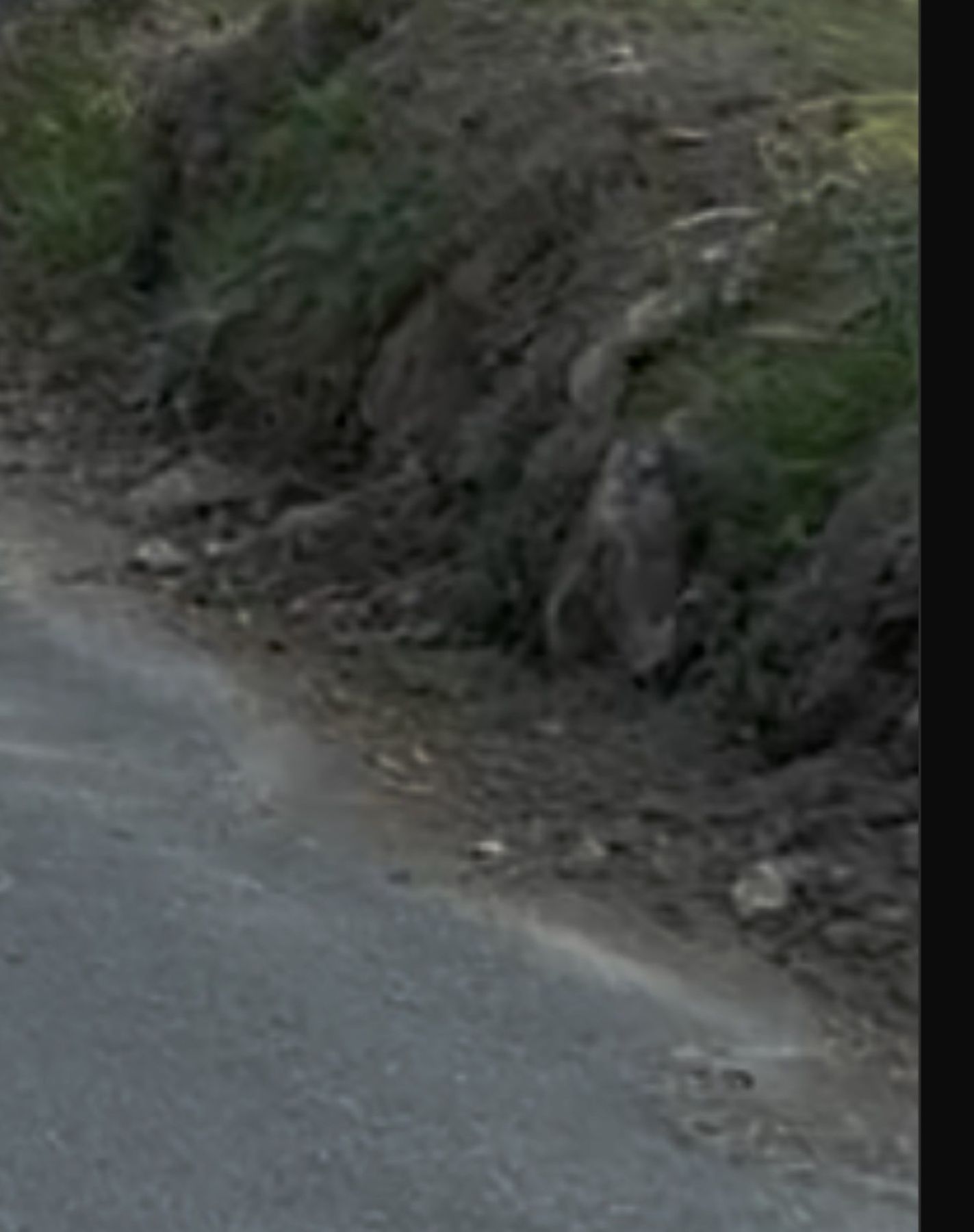
The bank they left
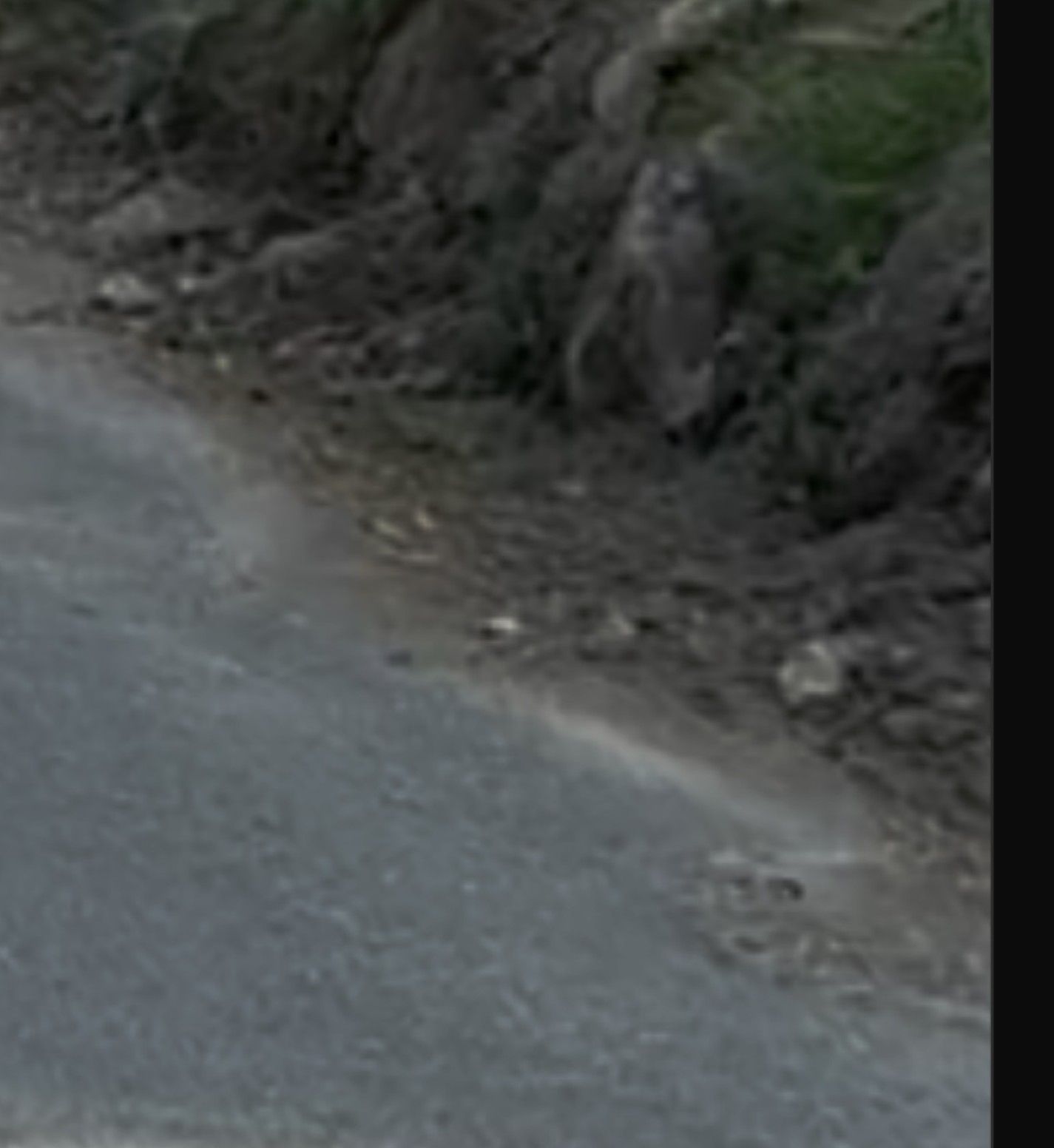
Not a neighbouring farmer’s field. The bank meets the carriageway. Daylight photographs seven days after show cut earth, loose stone, and a verge opened to weather. Cones in other, uncropped later views belong to the post-crash closure — they were not there for her, and they are not shown here.
“An active council work site without barriers, working warning signs or illuminated cones.” Mike English — the worked stretch on the right-hand side, approaching the bridge in her direction of travel.
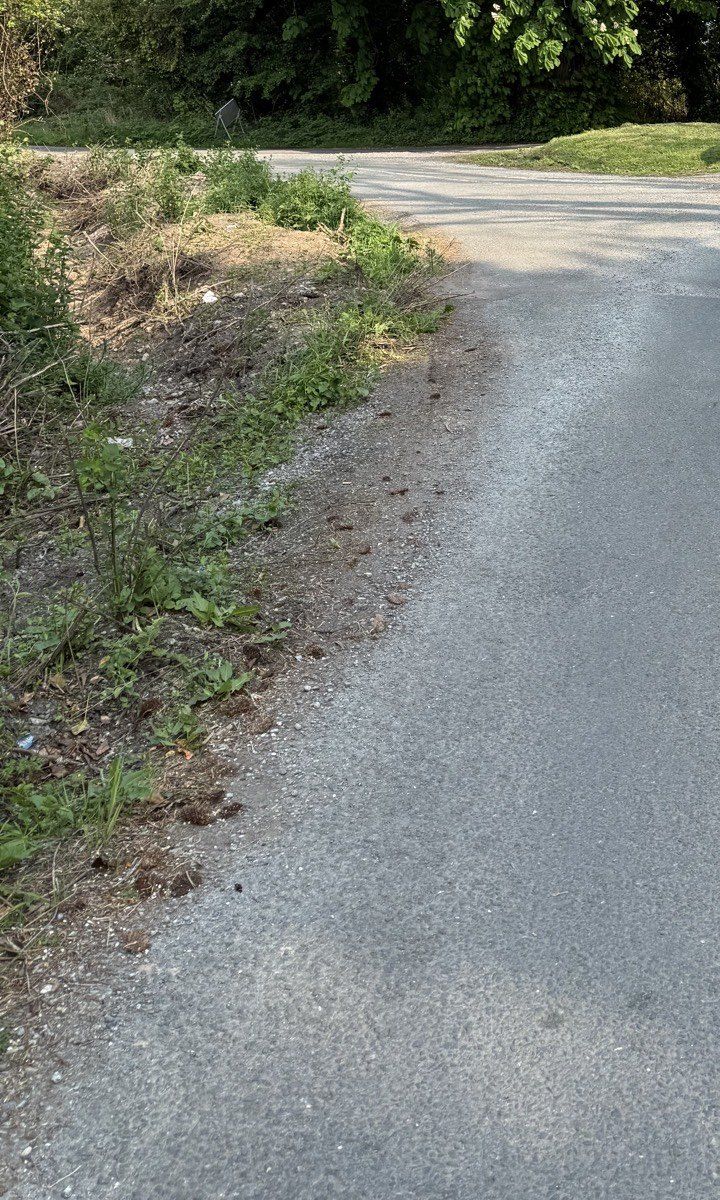
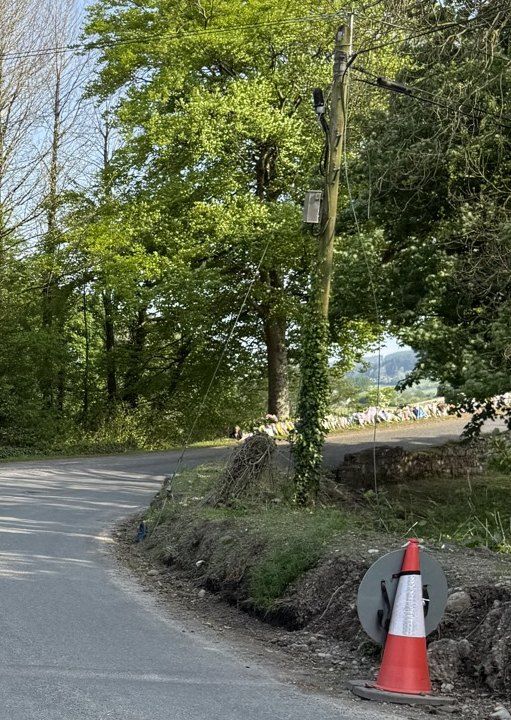
The open drain
The family describe the open drain as “not acceptable at any level.” The council’s Internal Review of 18 February 2026 says the only drainage activity on the L-3151 was cleaning roadside-verge inlets, with no specific drainage works on the bridge itself. Cleaning an inlet can restore flow. It can also leave a fresh erodible face and an open channel beside live traffic.
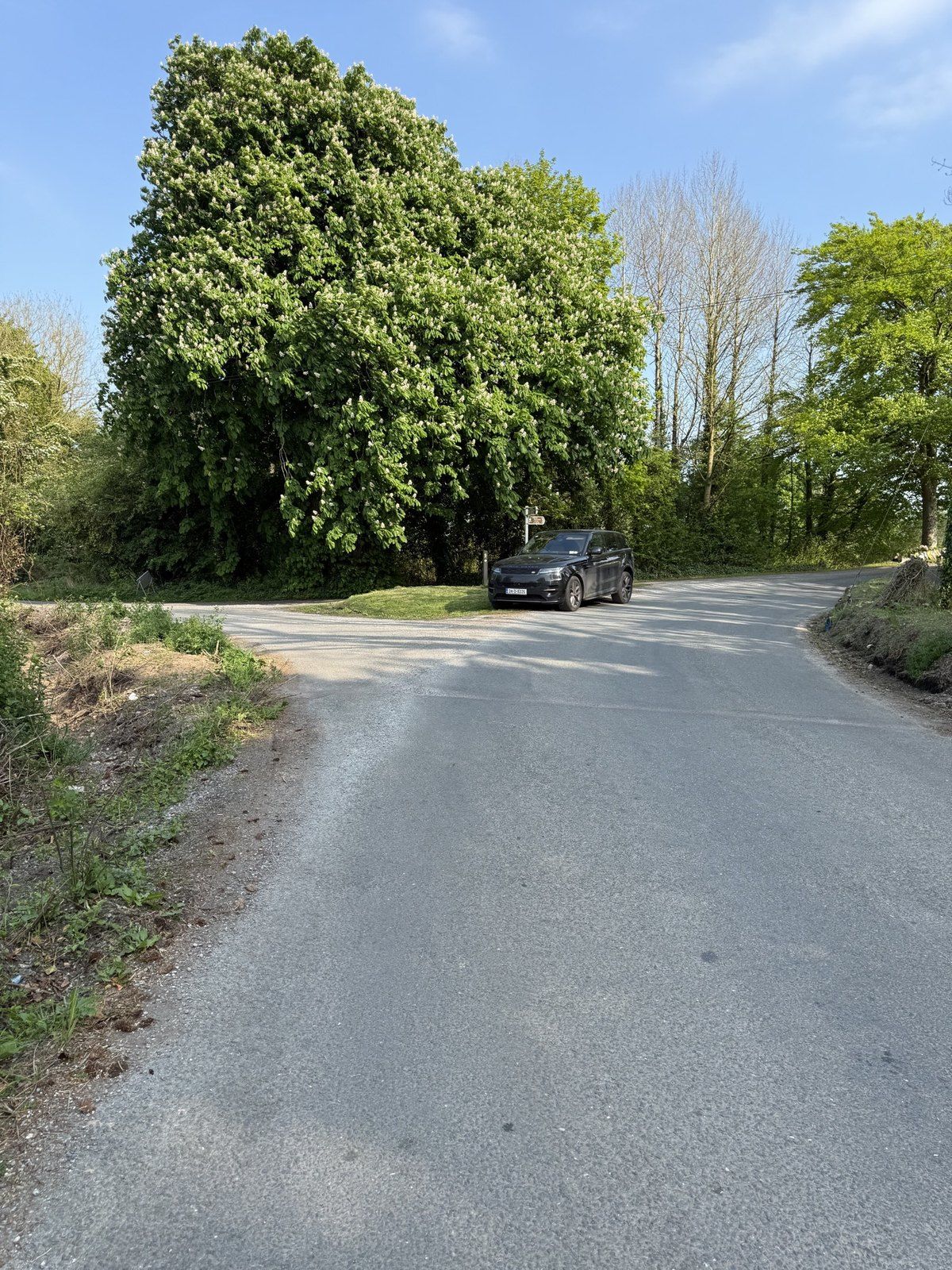
THEIR OWN SCHEDULE
Marked complete. Before she drove it. Tipperary County Council Road Management system, FOI 10526, items 6 and 8. Obtained 2026. Not a mystery contractor. The road authority’s own jobs on this stretch, marked done.
| Year | Place | Chainage | Work | Status |
|---|---|---|---|---|
| 2018 | Killardry | 1780–2480 | Road Reconstruction / Strengthening | Complete |
| 2025 | Kilmoyler to Kilmo… | 0–1802 | Resealing RSR | Complete |
The Killardry section begins at chainage 1780; the 2025 reseal reached chainage 1802. The council’s own works schedule records two resurfacing campaigns across the bridge section. Each adds material and raises the road; the parapet was never raised to match.
“The only drainage works that were carried out on the L-3151 consisted of inlets in the roadside verges being cleaned out. There were no specific drainage works carried out on the bridge itself.” Tipperary County Council Internal Review Decision, 18 February 2026 (FOI 174/25).
The 2025 roadworks on the L-3151 were described as to the northwest of the bridge location. That answer does not map the photographed bank, date the overnight arrangement, or show what protection was left for a driver after dark.
IRISH ROAD LAW
What the law says about leaving clay on a public road Irish law still distinguishes doing nothing from doing the work badly. A council that simply fails to repair a crumbling wall has historically not been liable in private law. A council that carries out works and leaves a new danger can be.
01 · WHOSE BANK
This is the council’s own work Roads Act 1993, s.13(2)
“It is a function of the county council to maintain and construct all local roads in its administrative area.” The L3101 is a local road. Tipperary County Council is the road authority. FOI 10526 records reconstruction here in 2018 — complete — and resealing in 2025 — complete. Verge inlets cleaned. The exposed bank is not a neighbouring farmer’s field. It is the edge of the public road after the authority’s own operations.
02 · DOING THE WORK
Misfeasance — not doing nothing Gallagher v Leitrim County Council
“If, however, they do anything and do it in such a way as to create a danger they are liable.” Leaving a crumbling wall unrepaired is the old immunity — nonfeasance. Opening a verge, leaving clay where rain can carry it onto the turning surface, leaving an open drain beside traffic — that is a positive act. The immunity for doing nothing does not cover the works they did.
03 · CLAY ON A PUBLIC ROAD
Soil shall be kept off the carriageway Roads Act 1993, s.76(5)(b)
“The owner or occupier of any land adjacent to a public road shall take all reasonable steps to ensure that water, soil or other material is prevented from flowing or falling onto a public road from his land.” The Act’s own words: soil on a public road is a thing to be prevented. If the bank is adjacent land, the duty is shall — not may. If the bank is the road verge after council works, the authority opened the source. Either way the law treats clay on the tarmac as a hazard, not a detail.
04 · IMMEDIATE HAZARD
The authority may act at once Roads Act 1993, s.76(13)
“Where a road authority considers that water, soil or other material flowing or falling onto a public road from any land presents an immediate and serious hazard to persons using a public road, it may take immediate action to remove or reduce the hazard.” Heavy rain. An open bank. Clay on the turning surface of a 90° bend. The Act gives the road authority an immediate power — not a committee, not a programme year. The same section’s emergency power covers flooding, landslide or other emergency that is an immediate and serious hazard (s.76(3)(a)).
05 · MATERIAL THAT IS A HAZARD
The Act treats this as serious Roads Act 1993, s.13(10)(a)
“A person who, without lawful authority or the consent of a road authority, places or deposits any material or thing on a public road such that it is a hazard or potential hazard to persons using a public road, or obstructs or interferes with the safe use of a public road, shall be guilty of an offence.” The offence is for a person acting without the road authority’s authority. It is not a finding that the council committed it. It is the Oireachtas stating that material on a public road which is a hazard is a criminal matter for anyone else. The body that would prosecute that hazard is the same body whose works left the bank open.
06 · A WORKING SITE
Guard it. Light it. Sign it. Construction Regulations 2013, Regulation 97
“For any part of a road that is opened, excavated, broken up or obstructed by plant or equipment or by materials, adequate guarding and lighting, appropriate to the circumstances, is provided, and traffic signs are placed and maintained, as reasonably required for the safe guidance or direction of persons — including others, not only those at work.” Mike English: an active council work site without barriers, working warning signs or illuminated cones. Regulation 97 is a shall, not a guidance note. It protects road users as well as workers. It does not clock off when the crew goes home. Chapter 8 tells operators to clean construction mud off the surface and to check unattended sites in bad weather.
07 · THE PUBLIC ON THE WORKS
Duty to people who are not employees Safety, Health and Welfare at Work Act 2005, s.12
“Every employer shall manage and conduct his or her undertaking in such a way as to ensure, so far as is reasonably practicable, that in the course of the work being carried on, individuals at the place of work (not being his or her employees) are not exposed to risks to their safety, health or welfare.” The HSA guide notes that section 12 applies where the public have access to the place of work while work is in progress. She was the public. The place was the road. The work was theirs.
08 · IF THEY HAD ONLY LEFT IT
The duty to maintain was written. Never switched on. Civil Liability Act 1961, s.60(1) — never commenced
“A road authority shall be liable for damage caused as a result of their failure to maintain adequately a public road.” Section 60(5) includes any bridge, pipe, gulley, fence, railing or wall forming part of the road. Sixty-five years on the book. No government has commenced it. That is the immunity for doing nothing. It is not a licence to open a bank and leave clay on the road.
WHAT IT DELIVERED
Rain on an open bank. Clay on a blind bend. Then nine inches of wall. It was understood to have been raining heavily on the evening of the crash (Denis Wood Associates, 25 July 2025). The nearest Met Éireann gauge, Cahir (Toureen), 1.1 km away, recorded 21.5 mm that rainfall day (10am 24 April to 10am 25 April, Irish local time — includes hours after the collision), on ground already wet: 23.6 mm in the four days before. HSA guidance: muck on a public road can cause a motorist to lose control. This is the mechanism. It is not a reconstruction of her tyres. A nearby daily gauge does not measure the exact surface under her wheels. Colour in a later photograph does not, by itself, prove clay content or a deposit in her wheel path.
01 Works marked complete Reconstruction 2018. Reseal 2025. Verge inlets cleaned. The schedule says done.
02 The bank left open Exposed earth touching the tarmac. An open drain. No covering. No restraint.
03 Heavy rain that night 21.5 mm at Toureen. Four wet days already on the ground.
04 Clay on the turning surface Rain detaches. Runoff carries. The join in these photographs is the road she had to turn on.
05 A 90° bend she could not see No chevron. No advance warning. Posted 60. Wet. Dark.
06 The wall that did not hold Nine inches. 4.3 m to the river. Inspected 21 January 2025: Significant Damage. Ninety-three days.
Note on this record
This is a public explainer of the statutes and the recorded facts. It is not legal advice, and it is not a finding of fault, causation, or liability. The family’s solicitors are pursuing those questions. The council’s role — as client, contractor, road authority, or a combination — must be established, not assumed. Sources: family photographs of the bank (phone chrome removed; post-crash cones excluded); daylight photographs of 1 May 2025; Tipperary County Council Road Management works table (FOI 10526, items 6 and 8); Internal Review Decision, 18 February 2026 (FOI 174/25); Met Éireann gauge records as published by the family; Denis Wood Associates, 25 July 2025; Roads Act 1993; Civil Liability Act 1961 s.60; Construction Regulations 2013, Regulation 97; Safety, Health and Welfare at Work Act 2005, s.12; Gallagher v Leitrim County Council; O’Riordan v Clare County Council [2021] IECA 267. Full family record: bronaghenglish.com · killardrybridge.com.